AGP Executive Report
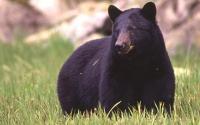
Last update: 11 hours agoResource Development: Alaska’s governor’s race could reshape the future of AIDEA, which has approved about $250 million for Arctic oil exploration and proposed mining roads. Front-runner Jonathan Kreiss-Tomkins says he would reassess the authority, citing concerns about transparency. Wildlife Management: The Trump administration has finalized a rule allowing hunters to bait bears on Alaska national preserves, reversing protections restored in 2024. Wildlife and Safety: A black bear that entered an Anchorage military hospital three times in one day was euthanized after its final forced entry; no one was injured. Natural Hazards: Landslide-driven tsunamis pose a growing threat in busy Alaska fjords, while the state has no plan in place, a recent report warns. Energy Infrastructure: Alaska is seeking cost estimates for a proposed $413 million Cook Inlet power cable, which could provide the Kenai Peninsula with a second connection to the Railbelt grid; funding, costs and environmental effects remain unsettled.
Note: AI summary from news headlines; neutral sources weighted more to help reduce bias in the result. Feedback is welcome. Please let us know if you have any comments or suggestions about the AGP Executive Report.

 Perspectify News